
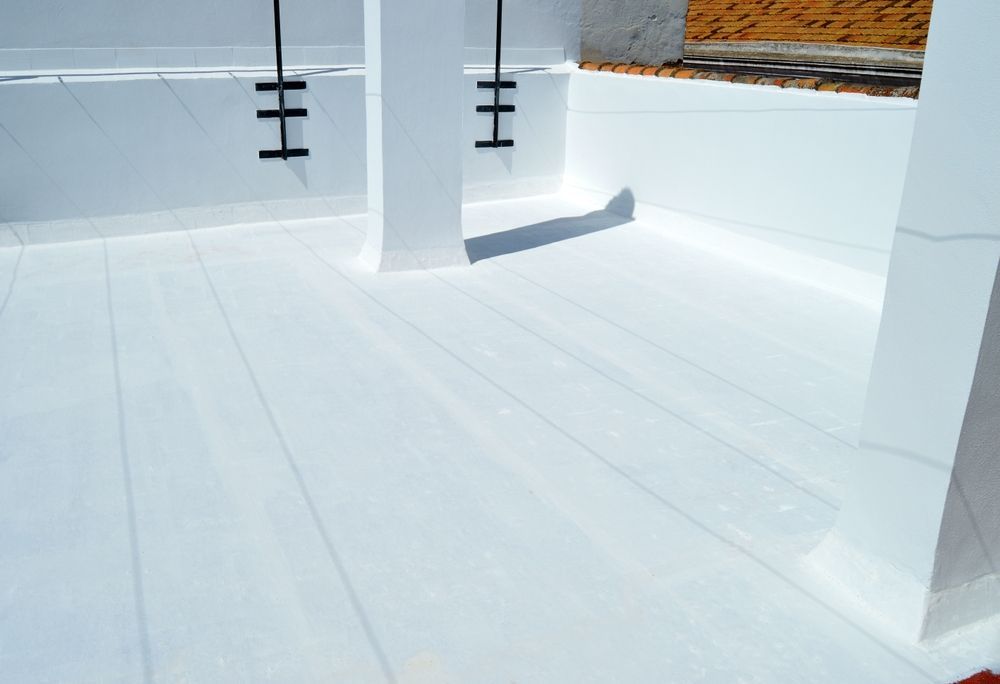
Reflect Heat and Reduce Cooling Costs
Acrylic Roof Coating Systems for Properties in Baltimore
Unlimited Earth Creations applies acrylic roof coating systems to sloped and select low-slope roofs throughout Baltimore. You may be looking for a restoration option that lowers your cooling expenses while extending the life of your existing roof. Acrylic coatings reflect a high percentage of sunlight, reducing surface temperatures and the amount of heat transferred into your building. This system works well on roofs with adequate drainage and minimal ponding, offering a budget-conscious alternative to replacement.
The coating forms a flexible membrane that accommodates seasonal expansion and contraction as temperatures shift. Maryland experiences significant temperature swings between summer and winter, and acrylic membranes move with the substrate rather than cracking or pulling away. The material is water-based, which simplifies application and cleanup, and it dries quickly under favorable conditions. Once cured, the surface remains bright white or light-colored, maintaining reflectivity for years.
If your facility has a qualifying roof and you want to improve energy performance without replacing the entire system, you can schedule an assessment to confirm substrate compatibility.
What Happens After Acrylic Coating Is Applied
You will notice the roof surface becomes uniformly white or light gray, replacing the aged, darkened appearance of the previous membrane. Direct sunlight no longer heats the roof to extreme temperatures, which means your HVAC system does not work as hard during summer months. Interior spaces feel more comfortable, and utility bills often decrease measurably. The coating also seals minor cracks and seams, reducing the chance of leaks developing during heavy rain.
Unlimited Earth Creations prepares the substrate by pressure washing and allowing it to dry completely. Any loose material is removed, and seams are reinforced with fabric where needed. The acrylic is applied in two coats using airless spray equipment, with each layer allowed to cure before the next is added. Final thickness typically reaches fifteen to twenty mils, providing both reflectivity and weather protection.
This system is not appropriate for roofs with chronic ponding or active leaks caused by structural defects. Acrylic coatings can soften when submerged, so proper drainage is a prerequisite. Any underlying damage to decking or insulation must be repaired before coating begins, as the system is designed to protect sound substrates, not repair compromised ones.
Questions Property Owners Ask About Acrylic Coatings
Building owners considering acrylic systems often want to understand application conditions and long-term performance before committing.
What roofs are good candidates for acrylic coating?
Metal, single-ply, and modified bitumen roofs with positive drainage and minimal ponding are ideal candidates.
How soon can you apply acrylic after rain?
The substrate must be completely dry, which typically requires at least twenty-four hours of dry weather in Baltimore's humid climate.
Why does reflectivity matter?
Reflective coatings lower roof surface temperatures by thirty to fifty degrees, reducing heat transfer and cooling demand inside the building.
When should recoating occur?
Most acrylic systems require a maintenance coat every seven to ten years to restore reflectivity and maintain weatherproofing.
What if the roof has minor leaks now?
Small leaks should be repaired during prep work so the coating seals a sound substrate and performs as intended.
Your roof may be a candidate for energy savings and extended service life without the expense of replacement. Get in touch with Unlimited Earth Creations to review your roof condition and discuss whether an acrylic system fits your property's needs and budget.